


Teeth whitening is one of the most popular cosmetic dental treatments because it can dramatically improve the brightness of your smile. However, many patients ask the same question before booking treatment:
“How long will my teeth stay white?”
The answer depends on several factors including the whitening method used, your lifestyle, and how well you care for your teeth afterwards.
In this guide, our dentists explain how long whitening results usually last and what you can do to keep your smile bright for as long as possible.
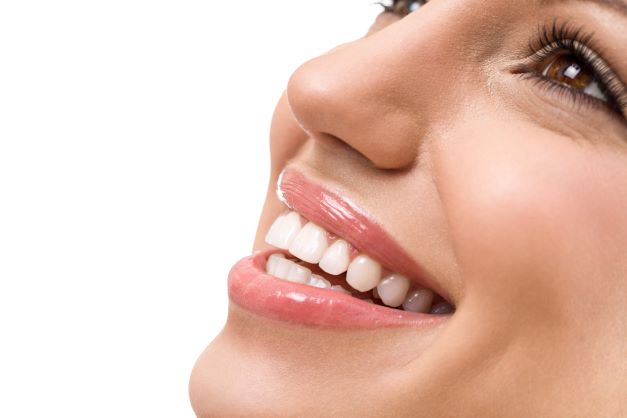
How Long Do Teeth Whitening Results Typically Last?
Professional teeth whitening results can last anywhere from 6 months to 3 years, depending on the treatment and your lifestyle habits.
Many patients enjoy noticeable whitening for around 12–24 months, especially if they maintain good oral hygiene and avoid stain-causing foods and drinks.
However, whitening is not permanent because teeth naturally pick up stains over time from food, drinks, and ageing.
How Long Do Different Whitening Methods Last?
Professional In-Clinic Whitening
Professional whitening treatments performed by a dentist tend to provide the longest-lasting results.
Typical longevity:
- 1–3 years with good maintenance
- Noticeable results after just one appointment
- Stronger whitening agents that remove deeper stains
Dentists use higher-strength whitening gels that can penetrate deeper into the enamel compared to shop-bought products.
Dentist-Prescribed Take-Home Whitening
Dentist-prescribed take-home whitening is one of the most popular ways to whiten teeth because it combines professional results with the convenience of treating your teeth at home.
Unlike shop-bought whitening kits, dentist-provided whitening systems use custom-made trays and professional-strength whitening gel, which makes the treatment more effective and safer for your teeth and gums. If you are looking to get your teeth whitened, get in touch with us now.
How Dentist Take-Home Whitening Works
The process usually begins with a consultation at your dental practice. Your dentist will check that your teeth and gums are healthy and suitable for whitening.
If whitening is appropriate, the dentist will:
- Take impressions or digital scans of your teeth
These are used to create custom whitening trays that fit your teeth precisely. - Provide professional whitening gel
The gel contains safe but effective whitening ingredients such as carbamide peroxide or hydrogen peroxide. - Give instructions on how to use the trays at home
Most patients wear the trays for a set period each day, often 30 minutes to a few hours depending on the system used.
The whitening process usually takes around 1–2 weeks, although some people notice results within just a few days.

Why Custom Whitening Trays Work Better
Custom trays are one of the main reasons dentist-prescribed whitening is more effective than over-the-counter kits.
Because the trays are designed specifically for your teeth:
- The whitening gel stays evenly distributed across your teeth
- Less gel leaks onto the gums, reducing irritation
- Results are more consistent and predictable
This allows the whitening agent to work more efficiently on stains while keeping the treatment comfortable.
How Long Do Results Last?
Dentist-supervised take-home whitening can keep teeth brighter for 6–12 months or longer, depending on lifestyle habits and oral hygiene.
Many patients keep their custom trays so they can perform quick top-up treatments once or twice a year to maintain their results.
Benefits of Dentist-Prescribed Whitening
Take-home whitening offers several advantages compared to store-bought kits:
- Professional strength whitening gel
- Custom-fitted trays for better results
- Safer treatment monitored by a dentist
- Gradual, natural-looking whitening
- The ability to top up results whenever needed
For many people, this option provides the best balance between effectiveness, comfort, and flexibility.
Over-the-Counter Whitening Kits
Over-the-counter (OTC) whitening kits are widely available in supermarkets, pharmacies and online. These products are designed to lighten teeth at home without the need to visit a dentist. While they can provide some improvement in tooth colour, the results are usually less noticeable and shorter-lasting compared to professional whitening treatments.
OTC products typically contain lower concentrations of whitening agents, which means they work more gradually and may struggle to remove deeper stains caused by coffee, tea, smoking or ageing.
Common Types of Over-the-Counter Whitening Products
There are several types of whitening kits available to buy:
Whitening strips
Thin flexible strips coated with whitening gel that are placed directly onto the teeth. These are usually worn for around 20–30 minutes per day for a couple of weeks.
LED whitening kits
These kits include whitening gel and a small LED light that sits over the teeth. The light is marketed as helping to activate the gel, although results can vary between products.
Whitening pens
Small brush-on applicators that allow users to apply whitening gel directly onto the surface of the teeth. They are convenient but usually contain weaker whitening ingredients.
Generic whitening trays
Some kits include one-size-fits-all trays filled with whitening gel. Because these trays are not custom fitted, the gel may not spread evenly across the teeth.
Examples of Over-the-Counter Whitening Kits (And How Well They Work)
Many over-the-counter whitening kits can lighten surface stains, particularly those caused by coffee, tea, or smoking. However, the results are usually more modest and less predictable than dentist-supervised treatments because the whitening ingredients are weaker and the trays are not customised to your teeth.
Below are some common examples available online or in pharmacies.
Whitening Strips
Example products:
How they work:
Thin strips coated with whitening gel are placed directly onto the teeth for around 20–60 minutes per day for one to two weeks. Many use hydrogen peroxide to break down stains on the enamel.
Typical results:
- Noticeable whitening in 10–14 days with consistent use.
Effectiveness rating:
⭐⭐⭐⭐☆ (4/5)
Pros
- Easy to use
- Affordable
- Often produce visible results
Cons
- May not whiten evenly
- Can cause temporary tooth sensitivity
- Hard to reach between teeth

LED Whitening Kits
Example products:
- Snow Teeth Whitening Kit
- Auraglow Whitening Kit
- Colgate Optic White ComfortFit LED Kit
How they work:
These kits combine whitening gel with a mouth tray and an LED light designed to accelerate the whitening process.
Typical results:
- Some kits claim to lift several shades of staining within a few days or weeks.
Effectiveness rating:
⭐⭐⭐☆☆ (3/5)
Pros
- Stronger than some basic kits
- Often marketed as “professional-style” whitening
Cons
- Results vary significantly
- Generic trays may not fit well
- Some users experience sensitivity
Whitening Pens
Example products:
- Hismile Whitening Pen
- Colgate Optic White Whitening Pen
How they work:
A small brush applicator allows you to apply whitening gel directly to the surface of your teeth.
Typical results:
- Gradual whitening of mild stains over several weeks.
Effectiveness rating:
⭐⭐☆☆☆ (2/5)
Pros
- Very convenient
- Easy to carry and use on the go
Cons
- Small amount of gel
- Results are usually subtle
- Hard to apply evenly
Whitening Toothpaste
Example products:
- Colgate Max White
- Oral-B 3D White Toothpaste
How they work:
Whitening toothpastes use mild abrasives or ingredients such as sodium bicarbonate to remove surface stains rather than changing the internal colour of the tooth.
Typical results:
- Helps maintain whiteness but rarely produces dramatic whitening.
Effectiveness rating:
⭐⭐☆☆☆ (2/5)
Pros
- Easy to add to daily routine
- Helps prevent new stains
Cons
- Cannot significantly change tooth colour
- Works mainly on surface stains
| Whitening Method | Example Products | Effectiveness |
|---|---|---|
| Whitening Strips | Crest Whitestrips, Rapid White | ⭐⭐⭐⭐ |
| LED Whitening Kits | Snow, Auraglow | ⭐⭐⭐ |
| Whitening Pens | Hismile, Colgate | ⭐⭐ |
| Whitening Toothpaste | Colgate Max White, Oral-B 3D | ⭐⭐ |
How Long Do Results Last?
Results from over-the-counter whitening kits can vary depending on the product used and the type of stains present on the teeth.
Typically, results may last anywhere from a few weeks to several months. Because the whitening agents are weaker than those used by dentists, many people need to repeat treatment more frequently to maintain their results.
Limitations of Over-the-Counter Whitening
While these products are convenient and relatively inexpensive, they do have some drawbacks:
- Lower strength whitening agents
- Less predictable results
- One-size-fits-all trays that may not fit well
- Whitening gel may irritate gums if applied incorrectly
- May not remove deeper stains
For these reasons, many patients find that over-the-counter products only produce mild whitening compared to professional treatments.
When Professional Whitening May Be a Better Option
If you are looking for longer-lasting and more noticeable whitening results, dentist-supervised whitening treatments are usually the better option.
A dentist can ensure the treatment is suitable for your teeth, provide professional-grade whitening gel, and customise the treatment to achieve the best possible results safely.
If you are unsure which whitening option is right for you, a consultation with your dentist can help you choose the most effective treatment for your smile.
What Affects How Long Teeth Whitening Lasts?
Although professional teeth whitening can produce long-lasting results, several factors influence how quickly teeth may become stained again. Lifestyle habits, diet, and oral hygiene all play an important role in maintaining a bright smile.
Understanding these factors can help you extend the results of your whitening treatment and keep your teeth looking brighter for longer.
Diet and Drinks That Cause Staining
Some foods and drinks contain strong pigments that can gradually stain the surface of your teeth. Frequent exposure to these can cause whitening results to fade more quickly.
Common stain-causing foods and drinks include:
- Coffee
- Tea
- Red wine
- Cola and dark fizzy drinks
- Tomato-based sauces
- Curry and spices such as turmeric
- Dark berries
This doesn’t mean you have to avoid these completely, but limiting their consumption and rinsing your mouth with water afterwards can help reduce staining.

Smoking and Tobacco Use
Smoking is one of the biggest contributors to tooth discolouration. Tobacco contains chemicals that can quickly stain enamel, often causing yellow or brown marks on the teeth.
For patients who smoke regularly, whitening results may fade much faster. Reducing or quitting smoking can help maintain the effects of whitening and improve overall oral health.
Oral Hygiene Habits
Good oral hygiene is essential for maintaining a white smile. Plaque build-up can trap stains on the teeth, making them appear darker over time.
Brushing your teeth twice a day, flossing daily, and attending regular dental check-ups can help remove plaque and prevent stains from settling into the enamel.
Professional hygiene appointments can also help remove surface stains and keep teeth looking brighter.
Natural Ageing
As we age, the outer layer of the tooth (enamel) naturally becomes thinner. When this happens, the underlying dentine — which has a more yellow tone — becomes more visible.
This natural process means teeth may gradually appear darker over time, even after whitening treatment.
Existing Tooth Stains
The type and severity of stains on your teeth can also affect how long whitening results last. Surface stains caused by food and drinks usually respond well to whitening, while deeper stains may be more resistant.
Your dentist can assess the type of staining present and recommend the most suitable whitening approach.
Maintenance and Top-Up Treatments
Many patients choose to perform occasional whitening top-up treatments to maintain their results. Because dentist-provided whitening trays are reusable, small touch-up treatments can be done every 6–12 months if needed.
These quick maintenance treatments help keep teeth looking consistently bright without repeating the entire whitening process.
How to Make Teeth Whitening Last Longer
After investing in teeth whitening, most patients want to keep their smile looking bright for as long as possible. While whitening results will naturally fade over time, there are several simple habits that can significantly extend how long your results last.
By making a few small changes to your daily routine, you can help maintain a whiter smile for months or even years.
Maintain Good Oral Hygiene
One of the most effective ways to keep your teeth white is by maintaining good oral hygiene.
Brushing your teeth twice a day with fluoride toothpaste helps remove plaque and prevent stains from building up on the enamel. Flossing daily is also important because it removes food particles and plaque from between the teeth where stains can develop.
Using an electric toothbrush can also help improve cleaning and remove surface stains more effectively.
Limit Staining Foods and Drinks
Certain foods and drinks are known to stain teeth. Limiting these can help preserve the results of your whitening treatment.
Common culprits include:
- Coffee
- Tea
- Red wine
- Dark fizzy drinks
- Curry and strongly coloured spices
- Tomato-based sauces
If you do consume these regularly, rinsing your mouth with water afterwards can help reduce the chance of staining.
Use a Straw for Certain Drinks
When drinking beverages that can stain teeth, using a straw can help minimise contact with the front surfaces of your teeth.
This simple habit can make a noticeable difference, particularly for people who drink coffee or iced drinks frequently.
Avoid Smoking
Smoking and tobacco use are among the biggest causes of tooth discolouration. Tobacco stains can build up quickly on enamel, causing teeth to become yellow or brown.
Quitting smoking not only helps maintain the results of teeth whitening but also benefits your overall oral health and reduces the risk of gum disease.
Visit Your Dentist and Hygienist Regularly
Regular dental check-ups and hygiene appointments can help keep your teeth looking their best.
A dental hygienist can remove plaque, tartar, and surface stains that may gradually build up after whitening treatment. Many patients find that professional cleaning helps refresh the brightness of their smile.
Most dentists recommend a hygiene visit every 6 months, although some patients may benefit from more frequent appointments.
Consider Occasional Whitening Top-Ups
If you have been provided with custom whitening trays by your dentist, you may be able to perform occasional top-up treatments at home.
A short whitening session once or twice a year can help restore brightness and maintain long-term results without repeating the full treatment process.
Your dentist can advise you on how often these top-ups should be done to keep your smile looking natural and healthy.
Is Professional Teeth Whitening Safe?
Yes. When performed or supervised by a qualified dentist, teeth whitening is considered safe and does not damage enamel.
Your dentist will first check that your teeth and gums are healthy before recommending whitening treatment.
Teeth Whitening in Gillingham
If you are considering teeth whitening in Gillingham, our dental team can assess your teeth and recommend the most suitable treatment.
Professional whitening offers:
- Faster results
- Safer treatment supervised by a dentist
- Longer-lasting results than shop-bought products
Book a consultation today to discover how we can help you achieve a brighter smile.
How quickly does teeth whitening work?
Professional whitening can show results in one appointment, while take-home kits may take 1–2 weeks.
Does teeth whitening damage enamel?
No — when performed correctly by a dentist it is safe for teeth and gums.
Can teeth whitening remove all stains?
Most stains respond well to whitening, but some deep stains may require alternative cosmetic treatments.
